01
Draw in Air
Air containing water vapor enters the system through an intake or airflow mechanism.
Smart Water Box™ is presented as a beginner-friendly DIY guide that explains atmospheric water generation, the materials involved, and the steps to explore a more self-reliant approach to water access.
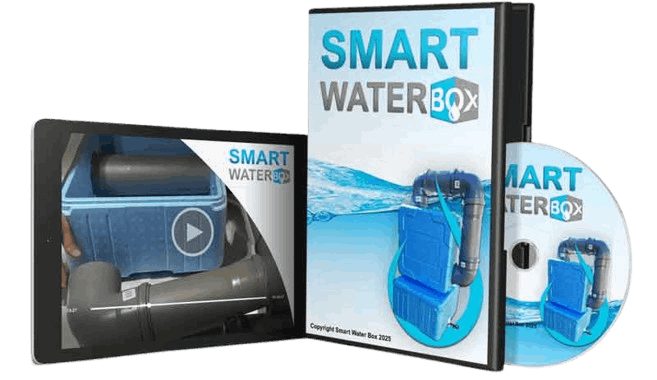
Review the guide details, current offer, and terms on the official page.
Atmospheric water generation is a process that collects moisture from air and condenses it into liquid water. Smart Water Box is marketed as a guide that introduces this concept through step-by-step project information.
Rather than assuming you are purchasing a finished machine, review the official description to understand the guide, the assembly approach, the materials list, and the work involved before deciding whether it fits your needs.
These are the general stages involved in collecting water from atmospheric moisture. Actual components and performance depend on the design and the environment.
Air containing water vapor enters the system through an intake or airflow mechanism.
Under suitable conditions, cooling can bring air moisture together into liquid water droplets.
Collected water needs suitable treatment and testing based on the design and its intended use.
Appropriate clean storage and ongoing maintenance are important when collecting and handling water.
The official page describes a guide-based offer. Check the current package details to confirm exactly which resources are included.
The offer describes beginner-oriented instructions intended to explain the DIY project and its assembly process.
Review the stated parts list and tools before beginning. Availability, quality, and total project cost can vary.
Understand the importance of suitable treatment, hygienic handling, clean containers, and safe storage practices.
Check the guide for its maintenance recommendations and identify any parts that may need inspection or replacement.
The official page also describes additional home and solar-water-heating learning materials. Verify the current package contents before ordering.
Review the support arrangements, contact details, and any applicable service terms shown on the official website.
A DIY water-generation project involves more than assembly. Consider the local climate, available power, component quality, maintenance requirements, and how collected water will be tested and treated.
Read the current Smart Water Box description carefully so you know what the digital guide provides, what you need to source yourself, and what the project does not guarantee.
Read the Official Details ↗Learning about alternative water technologies can help you evaluate possible options for your household or preparedness plan. Results depend on the system you build and the conditions where you use it.
Learn about a water-generation approach that does not begin with a conventional water pipe or well.
Become familiar with the basic concepts behind humidity, condensation, collection, treatment, and storage.
Consider alternative water options as one part of a broader emergency-preparedness plan.
A DIY guide may be useful for learning, but the practical performance and cost of any project depend on its implementation.
Start with these general answers, then check the official website for the latest offer-specific information.
Review the Smart Water Box guide, check exactly what is included, and decide whether its DIY approach suits your needs before ordering.
Visit Smart Water Box Official Site ↗